
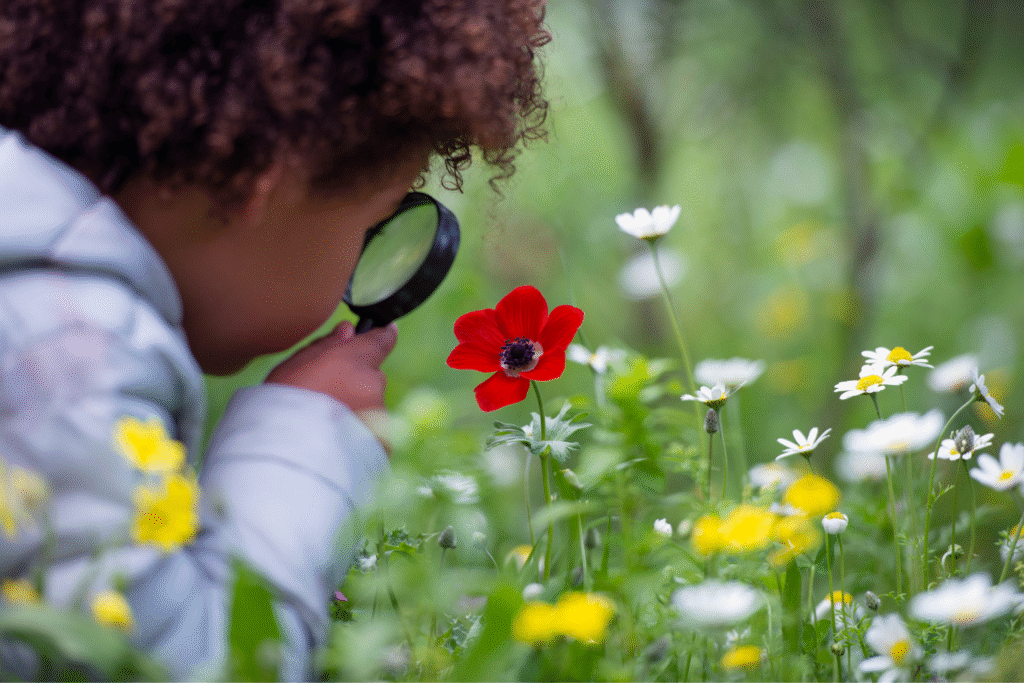
During early childhood, every experience is a building block for growth. From the moment children begin to explore their surroundings, they rely on their senses to understand the world. This process, known as sensorial exploration, is a vital part of early education. It helps children connect what they see, touch, hear, taste, and smell with what they learn, shaping both their perception and cognitive abilities. In this article, we’ll explore what sensorial exploration means, why it’s so important in early childhood, and how preschools in Miami Beach can provide enriching sensory experiences that nurture curiosity, wellness, confidence, and learning readiness.
What is sensory exploration?
Sensory exploration or play refers to any activity that stimulates a child’s senses (touch, sight, hearing, smell, and taste). It also involves movement, balance, and spatial awareness, which help children understand how their bodies relate to the world around them. From the very beginning of life, children are naturally drawn to explore. When babies reach for a toy, listen to new sounds, or feel different textures, they’re building essential connections in the brain. These experiences help shape how they learn, communicate, and process information as they grow.
Sensory play encourages this development by offering hands-on opportunities to discover and experiment. Each new experience, such as splashing water, squeezing clay, listening to music, or observing colors, strengthens the pathways that support learning and cognitive growth. There are seven senses that play a role in sensory development:
- Sight (visual sense): Recognizing colors, shapes, and patterns.
- Hearing (auditory sense): Distinguishing sounds, tones, and rhythm.
- Smell (olfactory sense): Identifying scents that evoke memories and emotions.
- Touch (tactile sense): Feeling textures, temperatures, and pressure.
- Taste (gustatory sense): Exploring flavors and preferences.
- Vestibular sense: Understanding movement, balance, and body control.
- Proprioceptive sense: Sensing how body parts move and where they are in space.
Sensory activities can be adapted for every stage of childhood, supporting individual needs and abilities. Whether through a simple game with sand, a walk in nature, or dancing to music, sensory play invites children to explore, imagine, and learn through every sense.
Why sensory experiences matter in childhood?
In the early years, a child’s senses are still developing. It isn’t until around the age of seven that children begin to fully integrate and process sensory information in a consistent way. Before that stage, their brains are rapidly forming neural pathways that connect what they see, hear, touch, taste, and smell with how they think, move, and respond. This ongoing process is what makes sensorial exploration such a vital part of early development; it helps children make sense of the world while strengthening the foundation for future learning.
Sensory experiences at the best preschools in Miami Beach also play a key role in emotional growth. Many children find these activities naturally calming, as they help regulate energy and attention. Soft textures, familiar scents, or soothing sounds can provide comfort, while stimulating materials like water, sand, or clay spark curiosity and engagement. Beyond emotional development, sensory play supports communication and social skills. As children describe what they feel, hear, or see, they expand their vocabulary and learn to express their perceptions with greater clarity. In group settings, these shared discoveries encourage interaction, cooperation, and empathy, skills that continue to benefit them well beyond early childhood.
Sensory exploration in the classroom
Schools play a vital role in nurturing sensory development by creating environments and programs where children can learn through exploration. A classroom that invites curiosity, through texture, sound, color, and movement, encourages children to engage all their senses in meaningful ways.
At The Little Beach House, sensorial learning is thoughtfully woven into the daily routine. Activities are designed to sharpen perception, strengthen hand-eye coordination, and support cognitive growth through pattern recognition and spatial awareness. These experiences help prepare children for writing, problem-solving, and creative thinking later on.
In the classroom, children might:
- Explore tactile materials like sand, clay, or fabric, discovering textures that strengthen fine motor skills.
- Listen to sounds in nature or simple rhythms, developing focus and auditory awareness.
- Observe colors and shapes through sorting games or light play, enhancing attention to detail.
- Move and balance through gentle obstacle courses, helping improve coordination and body awareness.
For parents, understanding sensorial exploration means supporting children as they navigate and interpret the world around them. Through sensory play, children learn to connect with their environment, develop meaningful relationships, and grow into curious, capable, and confident learners. At The Little Beach House, sensorial exploration is an essential part of how children learn and thrive. Through touch, sound, sight, and movement, they build awareness of themselves and the world around them. Additionally, by engaging their senses, they strengthen not only their perception and coordination but also their imagination, empathy, and sense of wonder. If you’re looking for one of the best preschools in Miami Beach to enroll your child, contact us today!well