
The Core Principles of the Montessori Method
The Montessori method has become one of the most respected approaches to early childhood education, focusing on independence, curiosity, and hands-on learning. Developed by Dr. Maria Montessori, this philosophy encourages children to explore their environment at their own pace while building confidence and critical thinking skills. Many parents today seek out Montessori preschools because they offer a unique alternative to traditional classroom structures, emphasizing growth through experience rather than memorization.
Independence and Self-Directed Learning
One of the foundational principles of the Montessori method is fostering independence in young learners. Children are given the freedom to choose their activities within a structured environment, allowing them to develop decision-making skills early on. In Montessori preschools, classrooms are carefully designed so that materials are accessible and appropriate for each developmental stage, empowering children to take ownership of their learning.
A Prepared and Purposeful Environment
The Montessori classroom is intentionally organized to support exploration and discovery. Every material has a specific purpose and is placed in a way that encourages children to engage thoughtfully. Teachers act as guides rather than instructors, observing each child’s interests and introducing new concepts at the right moment. Montessori preschools rely on this prepared environment to nurture both academic and social development.
Hands-On and Experiential Learning
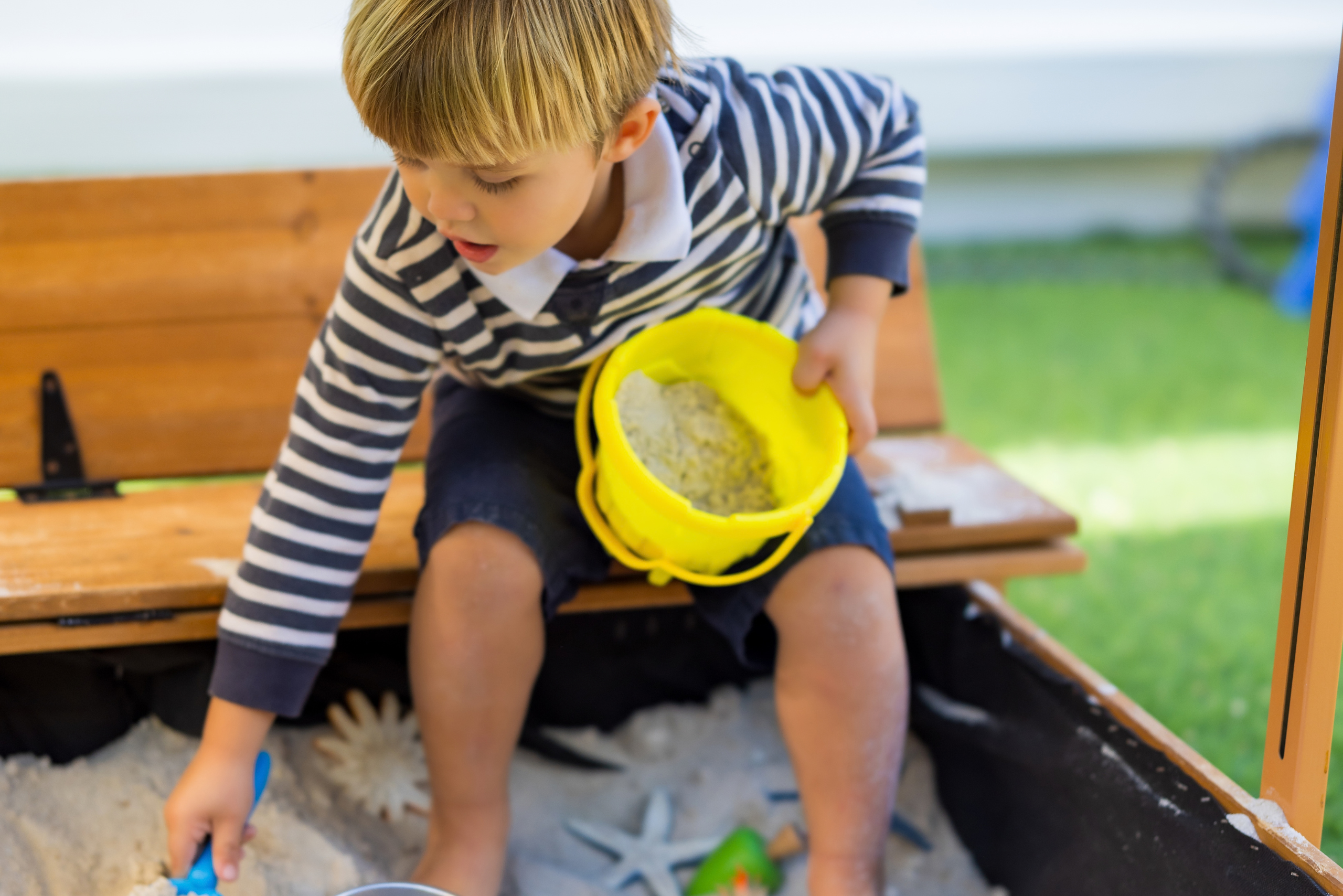
Hands-on learning is central to the Montessori philosophy, allowing children to grasp concepts through direct interaction rather than passive listening. Activities often involve real-world tasks such as pouring, sorting, and building, which help develop both fine motor skills and problem-solving abilities. This approach ensures that learning is both engaging and meaningful, helping children retain knowledge more effectively.
Individual Developmental Pace
Every child learns differently, and the Montessori method recognizes the importance of individualized progress. Instead of adhering to strict timelines, educators allow children to move forward when they are ready. This reduces pressure and fosters a positive relationship with learning. According to the American Montessori Society, in 1960, Dr. Nancy McCormick Rambusch founded the American Montessori Society, helping to expand awareness and adoption of this child-centered approach across the United States.
At Little Beach House Montessori, we believe in nurturing each child’s natural curiosity through thoughtful guidance and a supportive environment. Our programs are designed to help children grow academically, socially, and emotionally at their own pace. If you are exploring Montessori preschools for your child, contact our team today to learn how we can support their early development journey.