
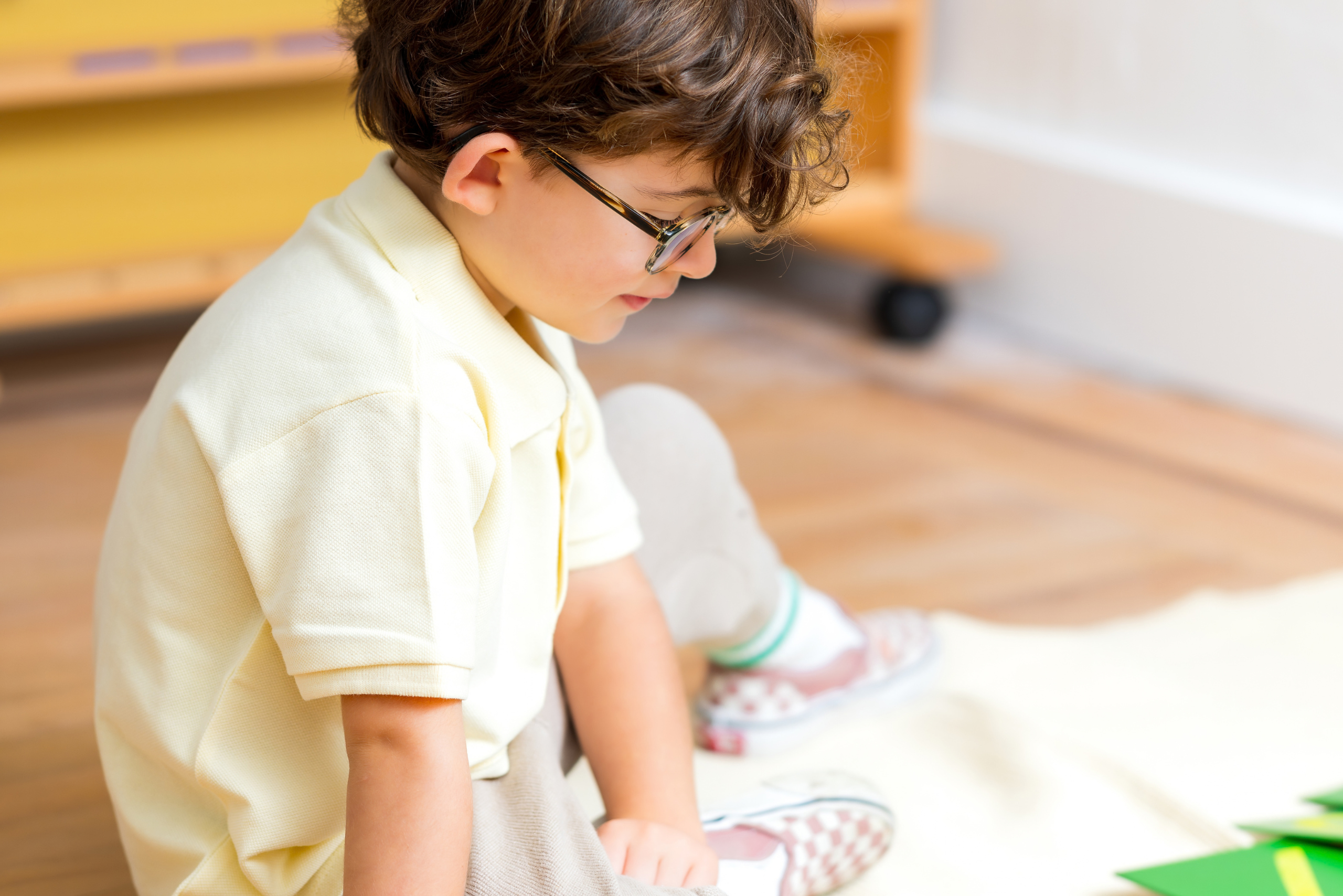
The Role of Hands-On Materials in Montessori
The Montessori method, developed by Dr. Maria Montessori, is known for its unique approach to education, focusing on a child-centered learning environment. A key element of this method is the use of hands-on materials that stimulate learning in ways traditional methods often overlook. By providing tangible and interactive tools, Montessori pre k education aims to foster independence, critical thinking, and a lifelong love of learning.
How Hands-On Materials Support Child-Centered Learning
Hands-on materials in Montessori classrooms are not just educational tools; they are carefully crafted to align with the developmental needs of children. These materials allow students to explore concepts through direct experience, enabling them to internalize knowledge in an engaging and organic way. The tactile and sensory engagement afforded by these materials supports the development of fine motor skills, spatial awareness, and cognitive abilities, ensuring a holistic educational experience.
Why Self-Correcting Tools Build Confidence
According to the American Montessori Society, the first Montessori school opened over 100 years ago, ushering in a revolutionary approach to education that continues to evolve today. Hands-on materials have stood the test of time as they are foundational to the Montessori philosophy of learning by doing. They are designed to be self-correcting, allowing children to learn from their mistakes and develop problem-solving skills independently, which builds confidence and autonomy.
How Montessori Materials Support Different Subjects
In Montessori pre k classrooms, hands-on materials cater to a wide array of subjects, ranging from mathematics and science to language and geography. Each material is tailored to introduce specific concepts in a structured sequence, ensuring that learning builds progressively. For instance, wooden blocks and puzzle maps nurture spatial reasoning, while sandpaper letters provide a multisensory experience to aid language acquisition. This variety of materials addresses the differing learning styles and paces of individual students, promoting personalized learning paths.
Hands-on materials are indispensable in the Montessori method, providing a dynamic and interactive foundation for learning. By engaging children’s senses and empowering them to explore educational concepts at their own pace, these materials help cultivate a deep understanding and appreciation for learning. As Montessori education continues to inspire educators worldwide, the enduring legacy of its hands-on approach serves as a testament to the power of experiential learning. To learn more about our Montessori pre k, please visit us today at Little Beach House Montessori!