
Building Confidence and Social Skills Through Montessori
In a world that demands increasingly diverse skills, the Montessori education method stands out as a unique approach to childhood learning. Emphasizing independent choice and nurturing classrooms, Montessori school environments are instrumental in developing not just academic skills, but also the social and emotional intelligence children need to thrive. This educational philosophy fosters confidence and enhances social skills, setting students up for a lifetime of interaction and collaboration.
How Does Self-Directed Learning Build Confidence?
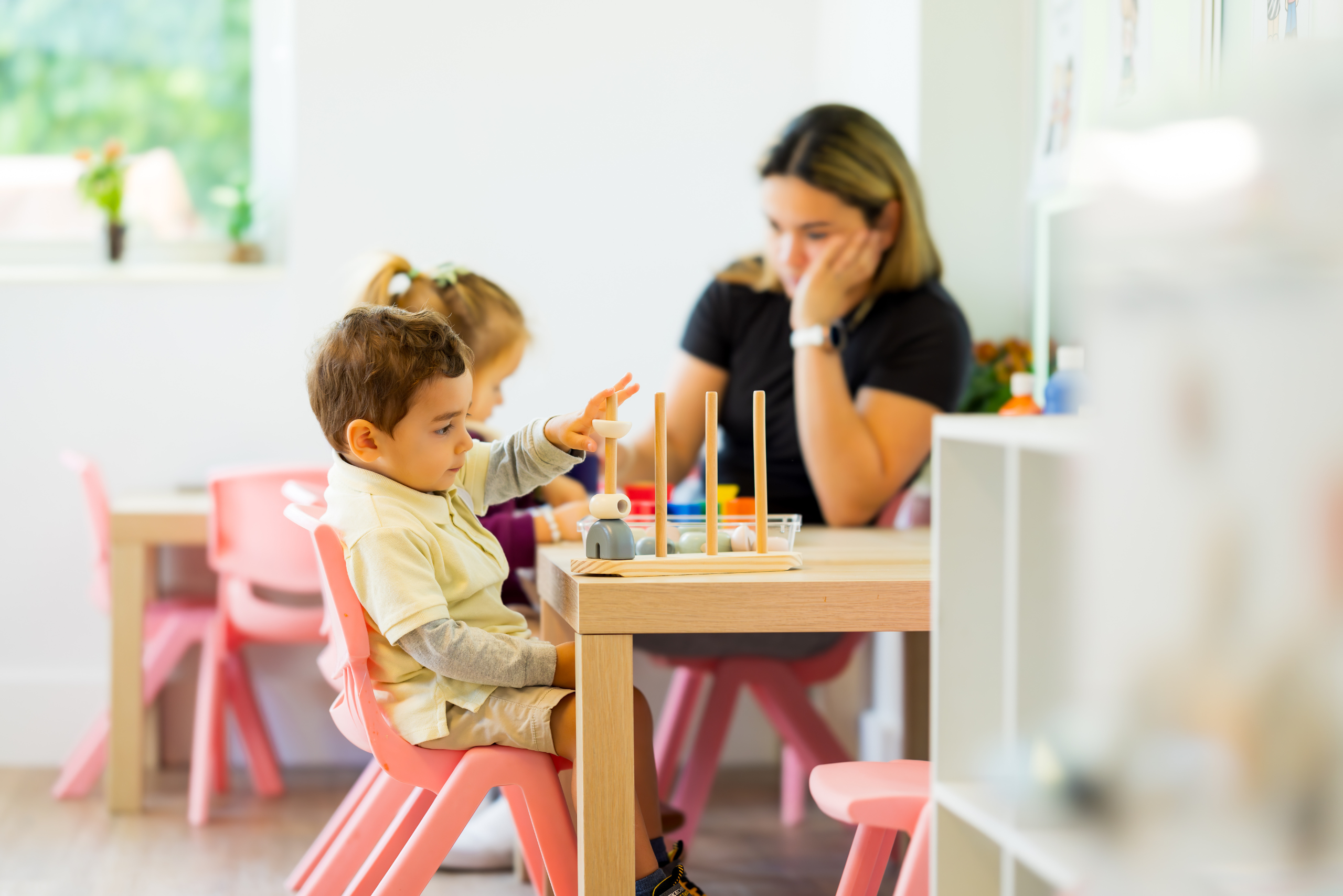
One of the distinctive features of Montessori education is its emphasis on self-directed learning. Children are encouraged to explore their interests and make choices about their learning activities within a prepared environment. This autonomy naturally boosts their confidence, as they see the direct results of their actions and decisions. With approximately 5,000 Montessori schools in the U.S., according to the American Montessori Society, this model provides a vast array of opportunities for children to engage in meaningful, hands-on learning and social interaction.
How Do Mixed-Age Classrooms Strengthen Social Skills?
Social skills are further developed through mixed-age classrooms where collaboration, mentoring, and peer-learning take place every day. Younger students learn by observing and engaging with older peers, while older students reinforce their own understanding by teaching complex concepts to younger classmates. This setting fosters an intrinsic sense of empathy and respect, which are critical components of effective communication and social interaction. In a Montessori classroom, these skills are not taught as separate subjects but are naturally integrated into the daily learning experience.
How Do Montessori Teachers Support Social Development?
Teachers in Montessori settings play a subtle yet crucial role in facilitating social development. Rather than directing the classroom, they act as guides, observing interactions and providing support when necessary. This allows children to learn conflict resolution and problem-solving in real time, under the guidance of a caring adult. By ensuring a safe and supportive environment, Montessori educators help students refine their social skills and build the confidence needed to express themselves clearly and make positive contributions to their communities.
Montessori education provides a well-rounded approach that prioritizes the development of both confidence and social skills. Through self-directed learning, collaborative classroom settings, and supportive guidance, students are equipped with the tools they need to succeed not just academically, but socially. As parents and educators recognize these benefits, the Montessori method continues to gain popularity, empowering many young individuals to flourish in all areas of life. Reach out to our Montessori school at Little Beach House Montessori to learn more.