
How Children Ages Zero to Six Learn Differently Than Adults
Witnessing how young kids explore and absorb the world around them is one of the most rewarding parts of parenting. From birth through age six, children experience a massive wave of cognitive, emotional, and physical growth. Unlike adults, who can sit through lectures or read a textbook, young learners depend on curiosity, movement, and hands-on discovery to make sense of everything around them.
Learning Through Intentional Play
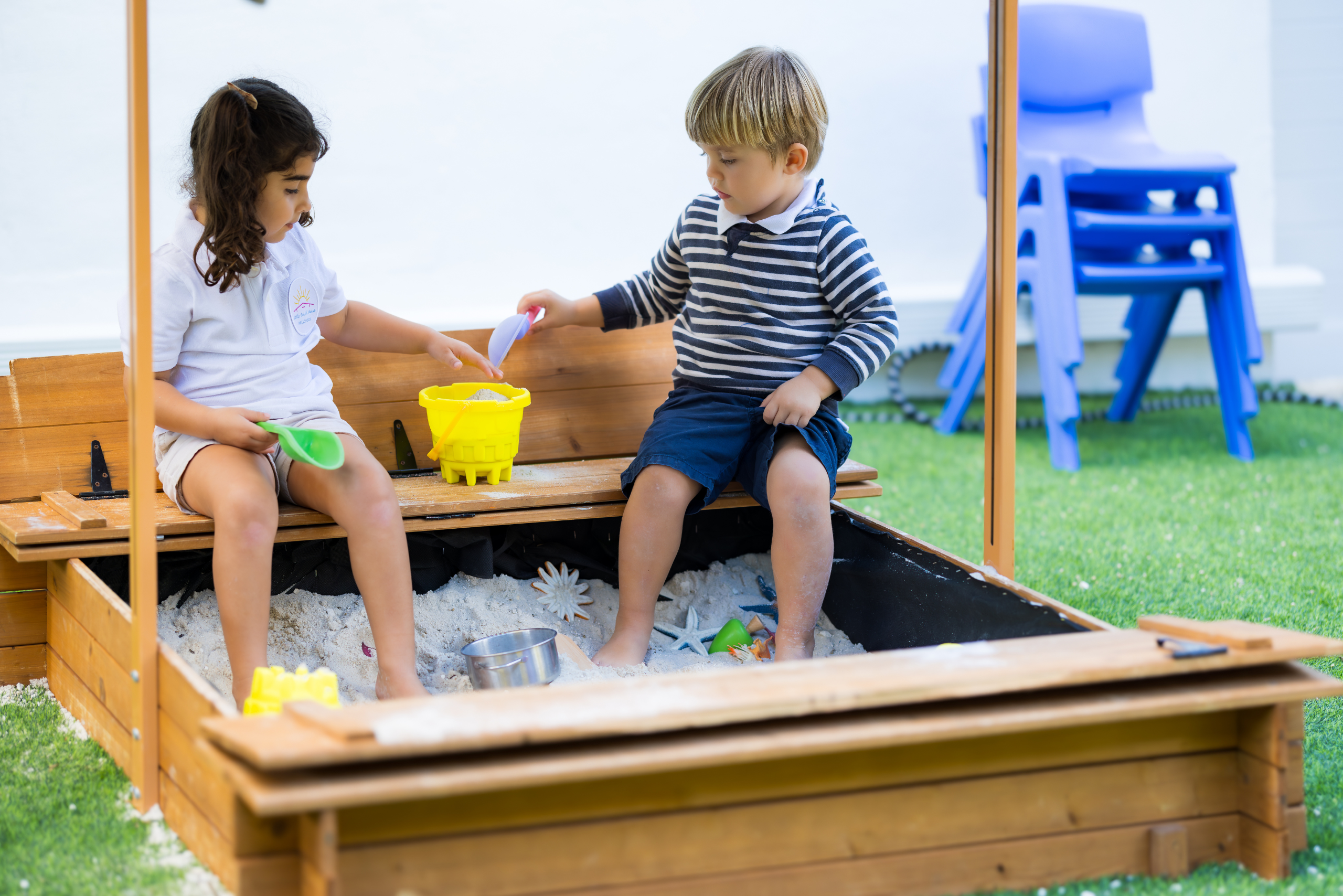
Play isn’t just a way for kids to burn off extra energy. It’s actually their primary way of learning. Through self-directed play, children figure out how to solve problems, share with peers, and process complex emotions without feeling pressured by rigid adult expectations. Giving children the freedom to experiment with blocks, dramatic dress-up, or art supplies allows them to grasp abstract concepts naturally and build real confidence along the way.
Engaging All Five Senses
Young children learn best when they can touch, see, hear, and physically manipulate objects. Rather than just staring at a picture book, a child learns far more about shapes and spatial relationships by stacking wooden blocks or tracing textured letters. The Montessori method, for example, is utilized in over 60,000 schools worldwide, according to the BBC, demonstrating the proven value of tactile, self-led exploration in early childhood education. Enrolling your child in a quality Montessori pre K program taps directly into this need, offering tailored environments designed for hands-on discovery. When kids can actively engage their senses, complex ideas become much easier to understand and remember.
Nurturing Emotional Security and Confidence
A child’s ability to learn is deeply connected to how safe and supported they feel in their environment. While adults can usually push through frustrating tasks on their own, young children rely on encouragement, patience, and positive reinforcement from the adults around them. A welcoming Montessori pre k setting creates a safe space where mistakes are viewed as natural steps in the learning process, helping kids build the resilience they need to tackle new challenges.
Children have distinct learning needs that look very different from traditional adult instruction. By prioritizing sensory-rich activities, open-ended play, and consistent emotional support, parents and educators can create the perfect environment for early growth. Choosing a supportive Montessori pre K environment helps nurture that natural curiosity, laying a strong foundation for a lifelong love of learning. If you’re ready to give your child an engaging, hands-on early education, contact Little Beach House Montessori to tour our classrooms and learn more about our programs.