
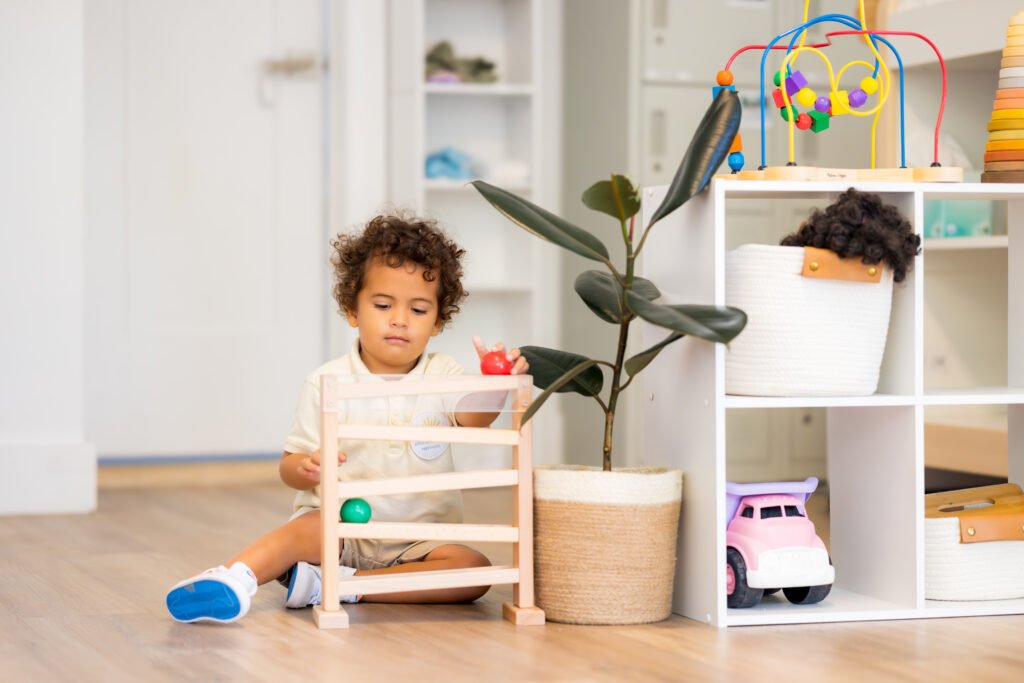
Montessori education has become a popular choice for families seeking a child-centered, hands-on learning environment. Designed to nurture independence, curiosity, and confidence, a Montessori program gives little ones opportunities to explore, problem-solve, and learn at their own pace. Unlike traditional classrooms that rely on rigid schedules, Montessori classrooms offer structured freedom where children choose meaningful work and develop essential life skills. Understanding what makes this approach unique can help you decide if it’s the right fit for your young learner. Below are key aspects of Montessori education every parent should know.
Focus on Independence and Practical Life Skills
One of the foundational principles of Montessori education is fostering independence. Children learn to take care of themselves and their environment through carefully designed practical life activities. Tasks such as pouring water, buttoning clothes, preparing food, and organizing materials help build confidence and fine motor skills. These real-world activities empower children to develop responsibility and self-reliance while strengthening their ability to concentrate and complete tasks with care.
Multi-Age Classroom Environment
Montessori classrooms bring together children of different ages, usually in three-year groupings. This structure encourages collaboration, mentorship, and social growth. Younger children learn by observing older peers, while older students reinforce their understanding by helping others. According to the BBC, there are over 60,000 schools using the Montessori method, many of which adopt this multi-age model to support natural learning. The approach reduces competition and allows each child to progress at their own pace within a supportive, community-driven environment.
Hands-On, Sensory Learning Materials
Montessori classrooms are known for their beautifully designed learning materials that encourage exploration. These materials isolate specific concepts, allowing children to understand ideas through experience rather than memorization. Whether tracing letters with sandpaper, counting with bead chains, or matching colors and shapes, children learn by doing. This hands-on approach strengthens problem-solving abilities and helps build strong academic foundations in math, language, and science.
Child-Led Approach to Teaching
Montessori educators serve as guides rather than lecturers. They observe students closely, offer lessons when appropriate, and support each little one’s natural development. This method promotes internal motivation, helping children develop a love of learning that lasts well beyond early childhood. Students are encouraged to choose their work, move freely within the classroom, and follow their interests. This respectful approach nurtures emotional well-being, creativity, and confidence.
A Montessori education offers children a thoughtful, nurturing environment where independence, curiosity, and hands-on learning flourish. At Little Beach House Montessori, our Montessori program is designed to help young learners grow into capable, confident learners. Contact us today to learn more about how our classrooms can support your child’s development.