
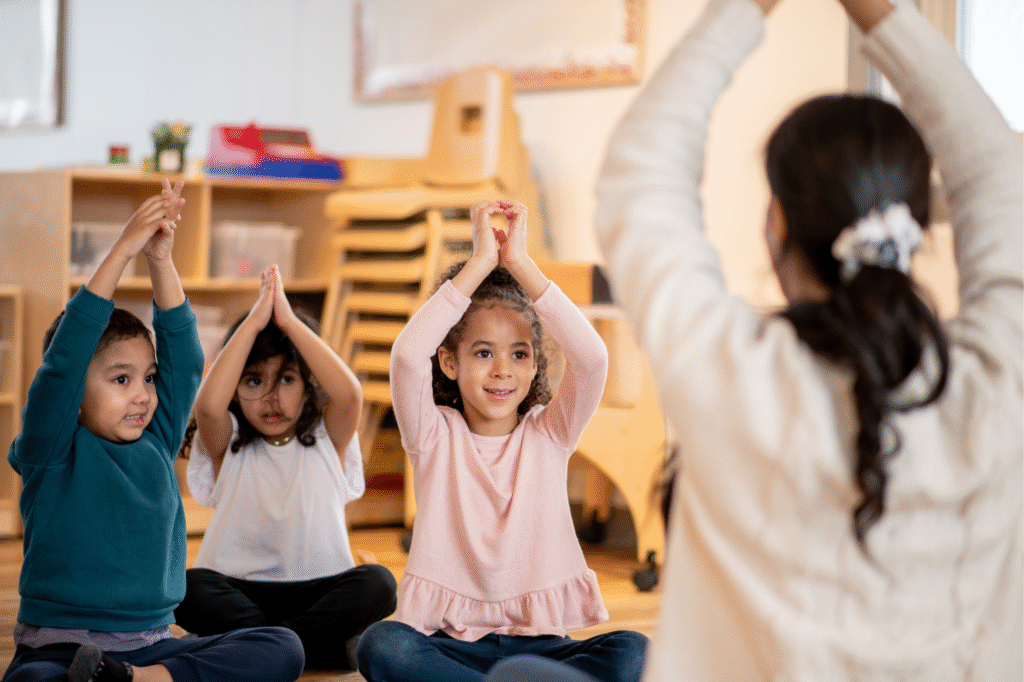
Montessori education is an innovative approach to early childhood development that emphasizes independence, hands-on learning, and respect for a child’s natural psychological growth. Developed by Dr. Maria Montessori in the early 1900s, the educational method of Montessori programs has gained widespread recognition for its unique contributions to childhood development. With countless parents and educators seeking the most effective ways to prepare students for school life, Montessori programs offer invaluable advantages that nurture a child’s abilities and self-confidence while preparing them for future academic success.
Encouraging Independence and Intrinsic Motivation
One of the key tenets of Montessori education is fostering a child’s intrinsic motivation to learn. Unlike traditional education systems that often employ authoritative and structured methods, Montessori encourages children to explore their interests at their own pace. This learner-centered approach promotes a love for learning and creativity, and has the flexibility to accommodate different learning styles. By allowing students the freedom to pursue their passions within certain parameters, Montessori learning instills self-discipline and independence that are critical for school readiness.
Enhancing Cognitive Growth Through Sensory-Based Learning
Another profound benefit of Montessori programs is their emphasis on sensory-based learning, which supports cognitive development in young learners. Montessori classrooms are carefully curated to include a variety of materials that engage students in sensory exploration. According to the American Montessori Society, there are about 5,000 Montessori schools in the U.S., each providing an environment that stimulates the senses and enhances cognitive abilities through practical life skills and sensorial activities. This hands-on approach enables young learners to develop fine motor skills, problem-solving abilities, and a strong foundation for mathematical and linguistic concepts.
Strengthening Social Skills and Emotional Readiness
Social development is also a fundamental component of the Montessori method, fostering cooperative play and emotional intelligence. In a Montessori classroom, little ones of varying ages work together, which encourages mentorship and collaborative learning. This mixed-age setting teaches children empathy, respect, and conflict resolution, critical components of emotional readiness for a traditional school setting. By interacting with peers and adults in a structured environment, students learn to navigate social dynamics effectively.
The Montessori method provides a holistic approach to early childhood education that supports academic, social, and emotional development. Its learner-driven environment, sensory engagement, and emphasis on social skills offer students a comprehensive foundation for school readiness. As the number of Montessori schools in the U.S. continues to grow, more families can access its benefits, laying a strong groundwork for their children’s lifelong educational journey. If you’re looking for Montessori programs for your little one, please visit us today at Little Beach House Montessori!